Split Ends: Causes, Prevention & Best Treatments (2026 Complete Guide)
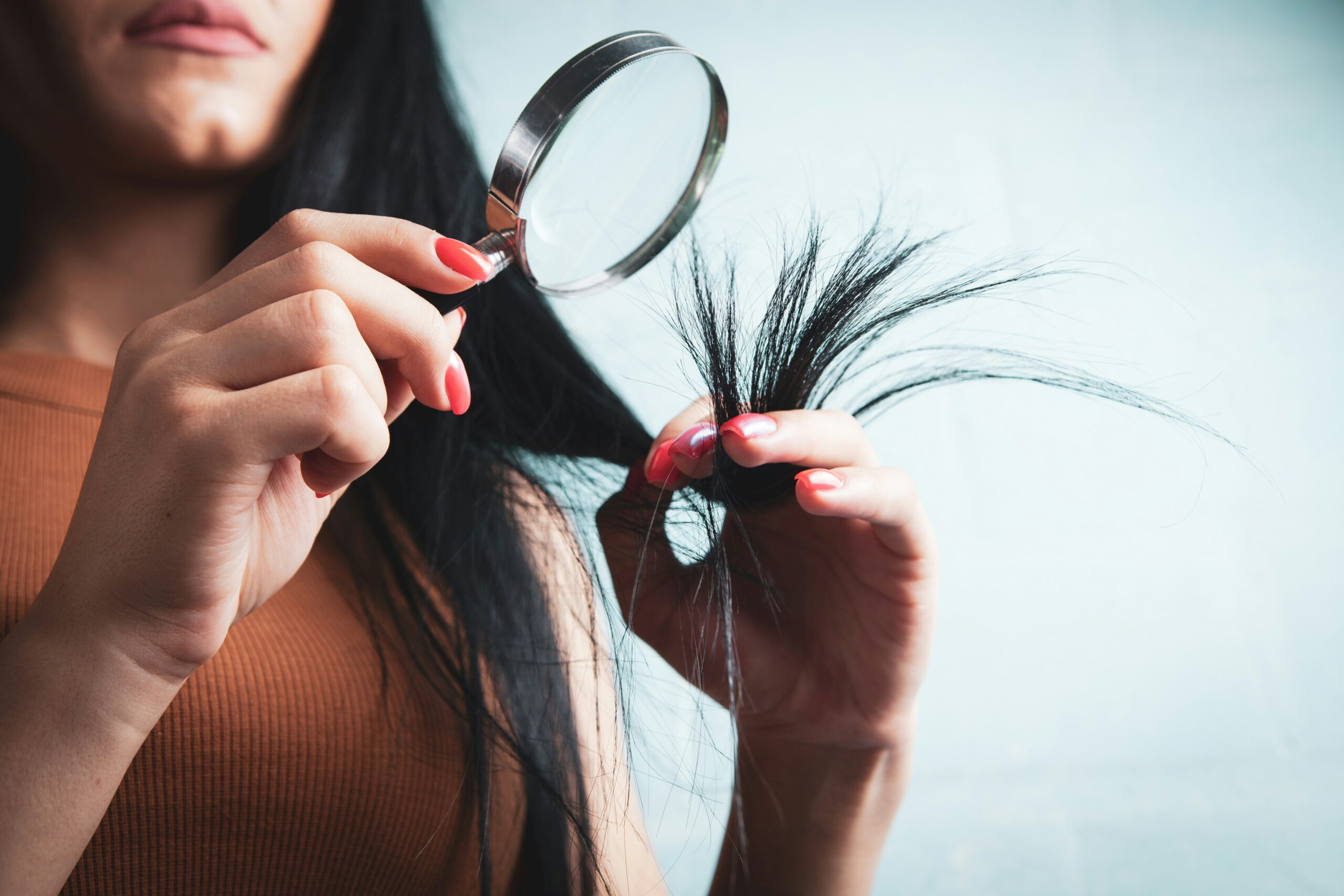
Have you ever looked closely at the ends of your hair and noticed they appear dry, frayed, or split into two or more strands? If so, you’re not alone. Split ends are one of the most common hair problems people experience, regardless of their hair type or length.
While split ends may seem like a minor cosmetic issue, they can make your hair look unhealthy, dull, and difficult to manage. If left untreated, they can travel farther up the hair shaft, leading to more breakage and making it harder to grow long, healthy hair.
I know this feeling all too well. As someone who enjoys trying different hairstyles and learning about hair care, I used to believe that using more conditioner would magically repair my damaged ends. No matter how much I moisturized my hair, the rough, uneven ends never completely disappeared. Over time, I realized that healthy hair isn’t just about using the right products—it’s also about building good habits. Once I started trimming my hair regularly, reducing heat styling, and paying more attention to my hair care routine, I noticed a significant improvement.
That’s exactly why I created this guide. Here on Hair n Tear, my goal is to share practical, honest advice that actually helps. In this article, you’ll learn what split ends are, what causes them, how to prevent them, and the treatments that can keep your hair looking healthier and stronger.
What Are Split Ends?
Split ends happen when the protective outer layer of your hair, called the cuticle, becomes damaged. Once this protective layer wears away, the inner fibers of the hair become exposed. As a result, the hair strand begins to separate into two or more pieces at the tip.
Hair experts often refer to split ends as trichoptilosis, but you don’t need to remember the scientific name. The important thing to know is that split ends are a sign of damaged hair.
Unlike your skin, hair cannot repair itself once it has been damaged. Because each strand is made of dead protein cells, it doesn’t heal the way living tissue does. This means that while certain products can temporarily smooth the appearance of split ends, they cannot permanently fuse the hair back together.
The most effective solution is trimming the damaged ends and preventing new damage from occurring.
What Do Split Ends Look Like?
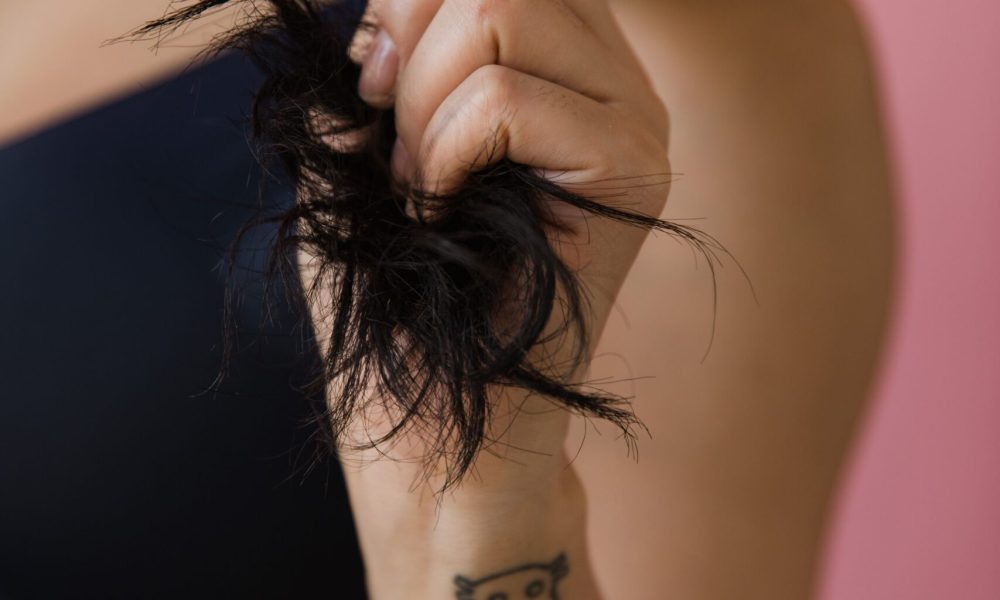
Sometimes split ends are obvious, while other times they can be difficult to notice until the damage becomes worse.
Here are some common signs:
- Hair ends split into two or more strands
- Dry, rough texture
- Frizzy ends even after brushing
- Hair tangles easily
- Uneven or thin-looking ends
- Increased hair breakage
- Hair feels brittle instead of soft
- Your hairstyle loses its smooth finish quickly
If you notice several of these signs, it’s likely time to give your hair some extra care.
What Causes Split Ends?
Split ends don’t appear overnight. They usually develop after repeated damage over time. Understanding the causes can help you prevent future breakage.
Dry hair is one of the biggest reasons split ends develop. If your hair constantly feels rough, brittle, or lacks shine, you may be dealing with more than just damaged ends. Read Why Is My Hair So Dry? 10 Common Causes and Fixes to identify the root cause.
1. Excessive Heat Styling
One of the biggest causes of split ends is using heat styling tools too often.
Hair dryers, straighteners, curling irons, and hot brushes remove moisture from the hair shaft. Over time, repeated exposure to high temperatures weakens the hair’s structure, making it more likely to split.
If you regularly style your hair with heat, always use a heat protectant and choose the lowest effective temperature.
2. Chemical Treatments
Coloring, bleaching, perming, relaxing, and chemical straightening all change your hair’s natural structure.
Although these treatments can create beautiful results, frequent chemical processing may weaken the cuticle and increase the risk of split ends.
If you color your hair often, consider spacing out appointments and using products designed for chemically treated hair.
3. Overwashing Your Hair
If you’re unsure how often you should shampoo based on your hair type, check out my guide on How Often Should You Wash Your Hair? for personalized tips.
Without enough natural moisture, the ends become dry and more likely to split.
The ideal washing schedule depends on your hair type, lifestyle, and scalp condition rather than following a one-size-fits-all routine.
4. Rough Brushing
Brushing your hair aggressively—especially when it’s wet—can stretch and weaken the strands.
Wet hair is more fragile than dry hair. Pulling through knots with force may cause breakage that eventually develops into split ends.
Instead, use a wide-tooth comb or a gentle detangling brush and work from the ends upward.
5. Lack of Regular Trims
Many people avoid trimming their hair because they want it to grow longer.
Ironically, skipping trims often leads to more breakage. Once a split forms, it can continue traveling upward, causing even more damage and making the hair appear thinner over time.
Regular trims help keep the ends healthy while supporting stronger-looking hair growth.
Different Types of Split Ends
Many people think all split ends look the same, but that’s not true. Hair damage can appear in different ways depending on how dry or weakened your hair is. Recognizing these signs can help you understand when it’s time to change your hair care routine.
1. Classic Split End
This is the most common type. The tip of the hair divides into two strands, creating a “Y” shape. It’s usually the first sign that your hair needs attention.
2. Tree Split
Instead of splitting into two sections, one side of the hair begins to separate into several smaller strands. This often means the hair has been damaged for a longer time.
3. Feather Split
The end of the hair looks frayed, almost like the feathers of a bird. Hair with feather splits is usually very dry and prone to breakage.
4. Knot Split
This type is more common in curly and textured hair. A strand forms a tiny knot, making it easier to snag and break during brushing or styling.
5. White Spots on Hair
Sometimes you’ll notice small white dots along a hair strand. These are weak points where the hair has been damaged. If left untreated, the strand may eventually snap at these spots.
No matter what type of split end you have, the solution is the same: protect your hair from further damage and remove severely damaged ends through regular trims.
Can Split Ends Really Be Repaired?
This is one of the biggest myths in hair care.
The short answer is no—once a hair strand splits, it cannot permanently repair itself.
Hair is made of a protein called keratin, but the strands are made of dead cells. Unlike your skin, hair cannot heal after it’s damaged.
You may have seen products that promise to “repair split ends overnight” or “seal split ends forever.” These products can temporarily smooth the hair, reduce frizz, and make split ends less noticeable, but they don’t actually join the hair back together.
The only permanent way to remove split ends is by trimming them.
That doesn’t mean hair serums and conditioners are useless. They play an important role by moisturizing the hair, protecting it from further damage, and improving its overall appearance.
Think of it this way:
- Hair products help prevent future damage.
- Haircuts remove existing damage.
Using both together is the best approach for healthier hair.
Best Treatments for Split Ends
Although split ends can’t be permanently repaired, you can improve the condition of your hair and prevent more damage with the right routine.
1. Get Regular Hair Trims
This is the most effective treatment.
Removing damaged ends prevents splits from traveling farther up the hair shaft.
Most people benefit from trimming their hair every 8 to 12 weeks, although the exact timing depends on your hair type, styling habits, and overall hair health.
Don’t worry—regular trims don’t stop your hair from growing. They simply remove damaged ends so your hair looks healthier and fuller.
2. Use a Moisturizing Conditioner
Conditioner helps smooth the hair cuticle and reduces friction between hair strands.
Focus on applying conditioner to the mid-lengths and ends rather than the scalp.
Look for ingredients like:
- Argan oil
- Shea butter
- Coconut oil
- Glycerin
- Panthenol
- Aloe vera
These ingredients help improve softness and reduce dryness.
3. Apply Hair Oil to the Ends
Hair oils don’t repair split ends, but they help lock in moisture and reduce friction.
Some excellent choices include:
- Argan oil
- Jojoba oil
- Coconut oil
- Sweet almond oil
Use only a few drops on damp or dry hair, focusing on the ends.
Applying too much oil can make fine hair look greasy, so a little goes a long way.
4. Use a Leave-In Conditioner
Leave-in conditioners provide extra hydration throughout the day.
They’re especially helpful if your hair feels dry, frizzy, or difficult to manage.
A lightweight leave-in conditioner can also make detangling easier and reduce breakage caused by brushing.
5. Deep Condition Weekly
A deep conditioning treatment once a week gives your hair extra moisture.
This is especially useful if you:
- Color your hair
- Use heat tools regularly
- Have naturally curly or coarse hair
- Spend a lot of time in the sun
Consistent deep conditioning won’t erase split ends, but it can improve the overall strength and appearance of your hair.
6. Reduce Heat Styling
If possible, let your hair air-dry instead of using a blow dryer every day.
When you do use heat tools:
- Apply a heat protectant first.
- Use the lowest effective temperature.
- Avoid going over the same section multiple times.
Small changes like these can make a noticeable difference over time.
My Experience
I used to think expensive hair products were the answer to every hair problem. Whenever I noticed split ends, I’d buy another serum or hair mask, hoping it would fix the damage. While my hair looked smoother for a day or two, the rough ends always came back.
The biggest improvement came when I stopped relying on products alone. Regular trims, gentler brushing, and using less heat made a much bigger difference than constantly switching products. It reminded me that healthy hair is built through consistent habits, not quick fixes.
How to Prevent Split Ends
The best way to deal with split ends is to stop them from happening in the first place. While you can’t avoid every bit of damage, a few healthy habits can keep your hair looking smoother and stronger.
1. Trim Your Hair Regularly
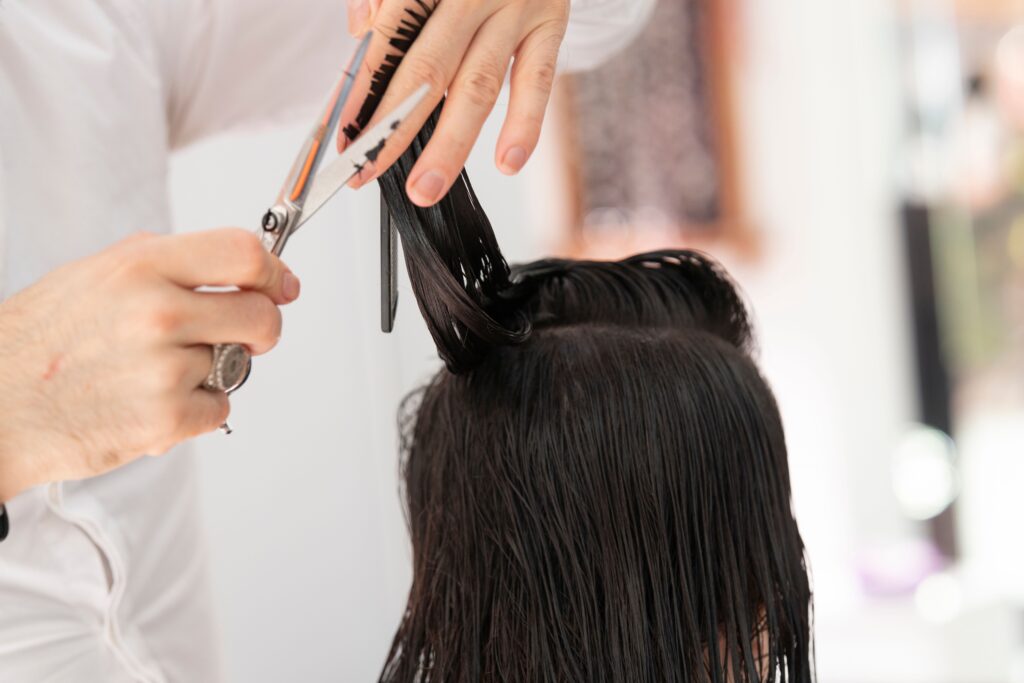
You don’t need a major haircut every few weeks, but regular trims can make a big difference. Removing damaged ends before they split further helps your hair stay healthier.
For most people, trimming every 8–12 weeks works well. If you use heat tools or color your hair often, you may need trims a little more frequently.
2. Be Gentle with Wet Hair
Hair is at its weakest when it’s wet. Rubbing it roughly with a towel or pulling through tangles can lead to breakage.
Instead:
- Gently squeeze out excess water.
- Use a microfiber towel or a soft cotton T-shirt.
- Detangle with a wide-tooth comb, starting from the ends and working your way up.
These simple changes can reduce unnecessary stress on your hair.
3. Limit Heat Styling
You don’t have to give up your favorite hairstyles completely, but try to use heat tools only when necessary.
Whenever you style your hair:
- Apply a heat protectant.
- Choose a lower temperature setting.
- Avoid styling the same section repeatedly.
Giving your hair occasional “heat-free days” can also help reduce long-term damage.
4. Protect Your Hair While Sleeping
Your hair rubs against your pillow every night. Over time, this friction can contribute to dryness and breakage.
You can help protect your hair by:
- Sleeping on a satin or silk pillowcase.
- Loosely braiding long hair before bed.
- Avoiding tight hairstyles while sleeping.
5. Eat a Balanced Diet
Healthy hair starts from within.
A diet rich in protein, iron, zinc, omega-3 fatty acids, and vitamins supports normal hair growth and overall hair health.
Try to include foods such as:
- Eggs
- Fish
- Nuts and seeds
- Leafy green vegetables
- Beans
- Greek yogurt
- Fruits rich in vitamin C
While diet won’t repair split ends, it can help new hair grow stronger.
6. Avoid Tight Hairstyles
Tight ponytails, buns, and braids place constant tension on your hair.
If worn regularly, they can contribute to breakage, especially around the hairline and ends.
Switching between different hairstyles and using soft fabric hair ties can help reduce stress on your strands.
7. Choose Hair Products Wisely
Expensive products aren’t always better.
Instead of focusing on price, look for products that suit your hair type and address your specific concerns.
For dry or damaged hair, choose shampoos and conditioners that provide hydration rather than harsh cleansing.
Consistency matters much more than owning dozens of different products.
Common Mistakes That Make Split Ends Worse
Sometimes, everyday habits cause more damage than we realize.
Try to avoid these common mistakes:
- Skipping regular trims
- Using too much heat without protection
- Brushing wet hair aggressively
- Washing your hair too frequently if it becomes very dry
- Using harsh shampoos that strip natural oils
- Sleeping with wet hair regularly
- Pulling tight hairstyles every day
- Ignoring early signs of damage
Replacing these habits with gentler ones can make a noticeable difference over time.
Quick Daily Tips for Healthier Hair
If you’re short on time, these small habits can help protect your hair every day:
✔ Use conditioner after every shampoo.
✔ Apply a few drops of hair oil to dry ends.
✔ Drink enough water throughout the day.
✔ Protect your hair from excessive sun exposure.
✔ Use a heat protectant before styling.
✔ Detangle gently instead of pulling through knots.
✔ Schedule regular trims before damage becomes severe.
Healthy hair isn’t about being perfect—it’s about making small, consistent choices.
Frequently Asked Questions
No. Once hair splits, it cannot permanently repair itself. Hair products may temporarily smooth the ends, but trimming is the only way to completely remove split ends.
Hair oils cannot repair split ends, but they can moisturize the hair, reduce frizz, and help prevent further damage.
Not always. Almost everyone experiences split ends occasionally. However, frequent split ends may indicate excessive heat styling, chemical treatments, dryness, or mechanical damage.
Brushing itself isn’t harmful, but brushing too roughly or using the wrong brush can cause breakage. Always detangle gently, especially when your hair is wet.
Final Thoughts
Split ends are a normal part of life, but they don’t have to control the way your hair looks or feels. Understanding what causes them and adopting healthier hair care habits can make a noticeable difference over time.
From my own experience, I’ve learned that healthy hair isn’t about finding one miracle product. It’s about being patient and consistent. Small habits—like trimming your hair regularly, reducing heat styling, using conditioner, and handling your hair gently—can have a much bigger impact than constantly chasing the latest trend.
If you’re struggling with split ends, don’t get discouraged. Every positive change you make today helps protect the healthy hair that grows tomorrow.
Here at Hair n Tear, I believe that good hair care should be simple, practical, and based on real experiences. I hope this guide helps you feel more confident in caring for your hair and building a routine that works for you.