
10 Hair Oiling Mistakes That Could Be Damaging Your Hair
Hair oiling mistakes can stop you from getting the healthy, shiny hair you’re hoping for. Hair oiling has been a trusted part of hair care for generations, and many people swear by it for softer, stronger, and more manageable hair. Whether you use coconut oil, argan oil, rosemary oil, or another favorite, applying it the right way can make a noticeable difference.
From what I’ve seen, many people spend a lot of time choosing the “best” hair oil but don’t pay much attention to how they use it. Simple habits like applying too much oil, leaving it on for too long, or using the wrong oil for your hair type are some of the most common hair oiling mistakes. These small errors can leave your hair feeling greasy, weighed down, or harder to wash instead of giving it the nourishment it needs.
The good news is that most hair oiling mistakes are easy to fix. With a few simple changes to your routine, you can make the most of your hair oiling sessions and enjoy healthier-looking hair. In this guide, we’ll walk through the 10 most common mistakes and share practical tips to help you avoid them.
Before we dive into the most common hair oiling mistakes, it’s important to remember that choosing the right oil matters just as much as using it correctly. Different hair types have different needs, and the right product can make your oiling routine much more effective. If you’re not sure which oil is best for your hair, check out our guide where we compare some of the best options for dry, oily, curly, and damaged hair.
The Best Hair Oil : Top Picks for Healthy and Strong Hair
1. Applying Too Much Oil
One of the biggest hair oiling mistakes is thinking that more oil means better results. In reality, using too much oil doesn’t help your hair absorb more nourishment. Instead, it can make your hair feel heavy, greasy, and difficult to wash.
A small amount is usually enough. Start with a few drops or a teaspoon, depending on your hair length and thickness. You can always add a little more if needed, but it’s much harder to remove excess oil.
Tip:
Focus on coating your hair lightly instead of soaking it.
2. Leaving Oil on for Too Long
Many people believe leaving oil on overnight is the best way to treat their hair. While this works well for some hair types, it isn’t necessary for everyone.
Keeping oil on your scalp for too long may attract dust, clog hair follicles, or make your scalp feel greasy, especially if you already have an oily scalp.
For most people, leaving oil on for 30 minutes to 2 hours is enough to enjoy its benefits.
3. Choosing the Wrong Oil for Your Hair Type
Not every hair oil works for every person. A heavy oil that suits thick, curly hair may weigh down fine or straight hair.
For example:
Coconut oil:
Great for thick or damaged hair.
Jojoba oil:
Lightweight and ideal for oily scalps.
Argan oil:
Suitable for dry and frizzy hair.
Rosemary oil:
Popular for scalp care but should always be diluted with a carrier oil.
Understanding your hair type can make a noticeable difference in your results.
4. Massaging Your Scalp Too Hard
A gentle scalp massage feels relaxing and can help distribute oil evenly. However, using too much pressure or scratching with your nails may irritate your scalp.
Instead, use your fingertips to massage in small circular motions for about five minutes. This helps spread the oil comfortably without putting unnecessary stress on your hair roots.
Remember, a gentle massage is more effective than a rough one.
5. Oiling a Dirty Scalp
Applying oil over a scalp covered with sweat, styling products, or heavy buildup is another common hair oiling mistake.
Oil doesn’t clean the scalp. When mixed with dirt and product residue, it can leave your hair feeling even heavier.
If your scalp has a lot of buildup, consider washing your hair first or using a clarifying shampoo occasionally before starting your oiling routine.
A clean scalp allows the oil to spread more evenly and keeps your hair feeling fresh after washing.
6. Using Very Hot Oil
Warm oil can feel soothing, but there’s a difference between warm and hot. Heating oil until it’s very hot can reduce its comfort and even increase the risk of burning your scalp.
If you like warm oil treatments, gently heat the oil until it’s slightly warm to the touch. Always test a small amount on the inside of your wrist before applying it to your scalp.
Comfort is more important than temperature. A mildly warm oil spreads easily and is much safer than overheated oil.
7. Washing Your Hair Incorrectly After Oiling
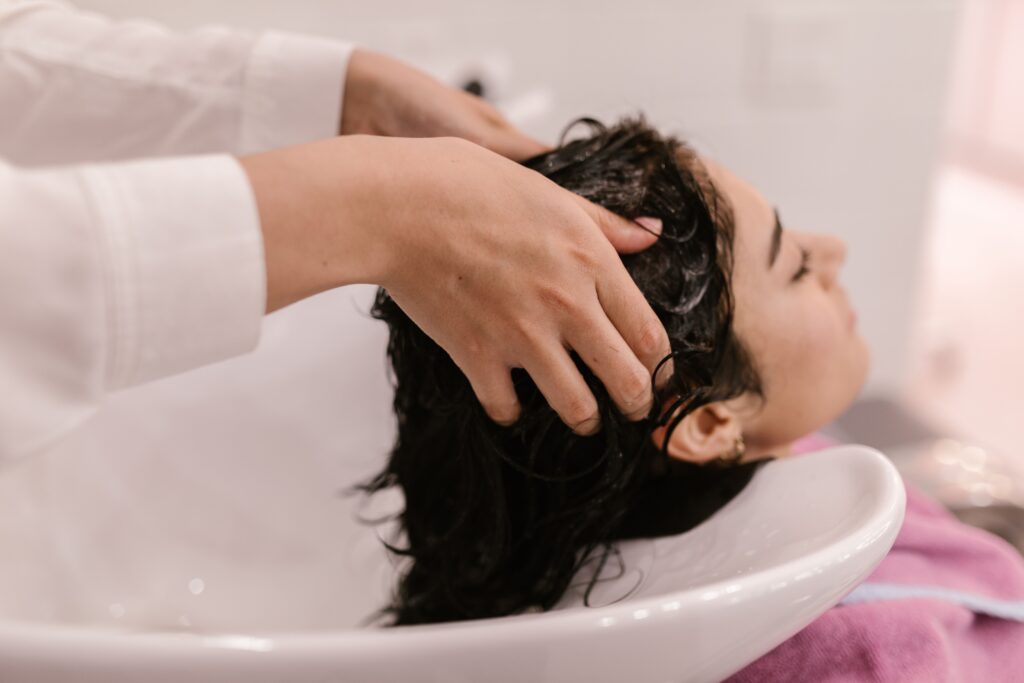
Many people struggle to remove oil from their hair and end up using too much shampoo. Washing your hair two or three times with a harsh shampoo can leave it feeling dry and rough.
Instead, use a gentle shampoo and massage it into your scalp thoroughly. If needed, shampoo twice rather than scrubbing aggressively.
Follow with a conditioner on the mid-lengths and ends to keep your hair soft and manageable.
Overwashing can contribute to brittle strands. Read our https://hairntear.com/the-ultimate-guide-to-damaged-hair-solutions/ for repair tips.
8. Oiling Too Frequently
More isn’t always better. Oiling your hair every day may lead to excess buildup, especially if you don’t wash your hair often.
How often you should oil depends on your hair type.
- Dry or curly hair: 1–2 times a week.
- Normal hair: Once a week.
- Oily scalp: Every 10–14 days or as needed.
Finding the right balance is the key. Overdoing it is one of the most common hair oiling mistakes people make.
9. Expecting Instant Hair Growth
Hair oil can improve the condition of your hair, reduce dryness, and make it look shinier. However, no oil can magically make your hair grow several inches overnight.
Healthy hair growth depends on many factors, including genetics, diet, overall health, and proper hair care.
Instead of expecting instant results, focus on building a consistent routine. Healthy habits over time usually make a much bigger difference than quick fixes.
10. Ignoring Your Scalp's Needs
Your scalp deserves just as much attention as your hair.
If you have dandruff, itching, redness, or another scalp condition, applying more oil isn’t always the answer. In some cases, it may even make the problem worse.
If your symptoms continue despite good hair care, it’s best to consult a dermatologist for personalized advice.
Listening to your scalp is just as important as choosing the right products.
How to Oil Your Hair the Right Way
Now that you know the most common hair oiling mistakes, here’s a simple routine you can follow:
- Choose an oil that suits your hair type.
- Warm the oil slightly if you prefer.
- Divide your hair into sections.
- Apply a small amount to your scalp and hair.
- Massage gently with your fingertips for 5–10 minutes.
- Leave the oil on for 30 minutes to 2 hours.
- Wash with a mild shampoo and finish with conditioner.
Following these simple steps can help you enjoy the benefits of hair oiling without unnecessary buildup or damage.
Frequently Asked Questions
Using too much oil doesn’t directly cause hair loss, but it can lead to buildup and require excessive washing or scrubbing, which may increase hair breakage.
It’s generally best to apply oil to dry or slightly damp hair. This helps the oil spread evenly before washing.
It can be safe for some people, but it isn’t necessary for everyone. If you have an oily scalp or are prone to buildup, leaving oil on for a shorter time may be a better option. before washing.
There isn’t one “best” oil for everyone. Coconut, argan, jojoba, and rosemary (when diluted with a carrier oil) are all popular choices. The right one depends on your hair type and personal needs.
Conclusion
Hair oiling can be a wonderful addition to your hair care routine, but only when it’s done correctly. Avoiding these common hair oiling mistakes can help your hair look healthier, feel softer, and become easier to manage over time.
Remember, healthy hair isn’t about using more oil—it’s about using the right amount, choosing the right product, and being consistent with your routine. Small changes in the way you oil your hair can make a noticeable difference in its overall appearance and condition.
Have you made any of these mistakes before? Let us know your experience in the comments—we’d love to hear your favorite hair oiling tips!