How Often Should You Wash Your Hair? A Complete Guide for Every Hair Type
How often should you wash your hair? It’s a question many people ask when trying to build a healthy hair care routine. The truth is that there isn’t a single answer because every hair type has different needs. In this guide, you’ll learn how often should you wash your hair based on your hair type, scalp condition, and lifestyle.
Your ideal hair washing schedule depends on several factors, including your hair type, scalp condition, lifestyle, and even the climate you live in. Washing too frequently can strip your hair of its natural oils, while waiting too long may lead to product buildup, excess oil, and an itchy scalp.
In this guide, you’ll learn how often to wash your hair based on your hair type, what signs to watch for, and simple tips to keep your hair healthy, clean, and manageable.
Why Hair Washing Frequency Matters
How often should you wash your hair depends on your scalp’s oil production, hair texture, and daily routine rather than following the same schedule as everyone else.
Your scalp naturally produces sebum, an oil that moisturizes and protects both your scalp and hair. Sebum keeps your hair soft, shiny, and less likely to break.
However, problems can occur when this natural balance is disrupted.
Washing too often may:
- Dry out your scalp
- Cause frizz
- Make hair feel rough
- Lead to split ends
- Fade hair color more quickly
Not washing often enough may:
- Cause oily roots
- Lead to product buildup
- Trigger dandruff or irritation
- Make hair look flat
- Produce unpleasant odors
The goal is to find a washing routine that keeps your scalp clean without removing too much of its natural moisture.
How Often Should You Wash Oily Hair?
If your scalp becomes greasy within a day or two after washing, you likely have oily hair.
People with oily hair usually produce more sebum, which can make the hair appear limp and shiny much sooner.
Recommended washing schedule
- Every 1–2 days
- Use a gentle shampoo designed for oily hair.
- Avoid using very hot water, as it may encourage your scalp to produce even more oil.
Tips for oily hair
- Focus shampoo on your scalp rather than your hair lengths.
- Use conditioner only on the mid-lengths and ends.
- Avoid touching your hair throughout the day.
- Clean your hairbrush regularly.
How Often Should You Wash Dry Hair?
Dry hair often lacks enough natural moisture. Washing it too frequently can make dryness even worse.
Recommended washing schedule
- Every 3–5 days
If your hair is naturally dry or damaged, try using a moisturizing shampoo followed by a nourishing conditioner.
Tips for dry hair
- Wash with lukewarm water instead of hot water.
- Apply a hair mask once a week.
- Limit heat styling.
- Use lightweight hair oils on the ends if needed.
How Often Should You Wash Curly Hair?
Curly hair tends to be drier because natural oils travel more slowly down the hair shaft.
Most people with curly or coily hair don’t need to wash as frequently as those with straight hair.
Recommended washing schedule
- Every 5–7 days
Some people even wash less often if their scalp stays comfortable.
Tips for curly hair
- Choose sulfate-free shampoo.
- Deep condition regularly.
- Refresh curls between washes with water or a leave-in conditioner.
- Avoid brushing dry curls.
How Often Should You Wash Fine Hair?
Fine hair usually becomes oily faster because each strand is thinner and gets weighed down more easily.
Recommended washing schedule
- Every 1–2 days
Use lightweight products that won’t flatten your hair.
Tips
- Avoid heavy creams and oils.
- Use dry shampoo between washes if needed.
- Focus conditioner on the ends only.
How Often Should You Wash Thick Hair?
Thick hair generally holds moisture better and doesn’t become greasy as quickly.
Recommended washing schedule
- Every 3–4 days
People with thick hair often benefit from moisturizing products that help control frizz.
How Often Should You Wash Color-Treated Hair?
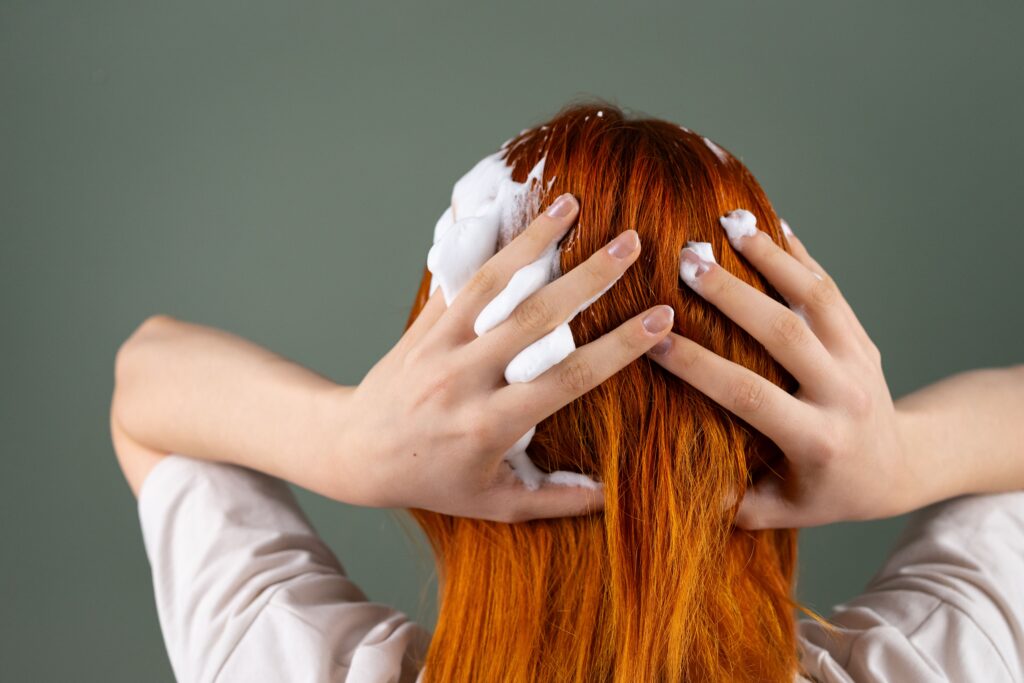
If your hair is dyed, bleached, or chemically treated, washing it too often can cause the color to fade more quickly. Hair color also tends to make hair more porous, meaning it loses moisture faster.
Recommended Washing Schedule
- Wash your hair 2–3 times per week.
- Wait at least 48–72 hours after coloring before your first wash.
- Use a color-safe, sulfate-free shampoo to help preserve your hair color.
Tips for Color-Treated Hair
- Rinse with lukewarm or cool water instead of hot water.
- Apply a moisturizing conditioner after every wash.
- Use a deep conditioning treatment once a week.
- Protect your hair from excessive sun exposure and chlorine.
Common Signs of Overwashing
- Dry, brittle hair
- Frizzy strands
- Itchy or flaky scalp
- Split ends
- Hair feels rough or dull
- Hair color fades quickly
If you notice these signs, try increasing the time between washes and switch to a gentler shampoo.
Signs You're Not Washing Your Hair Enough
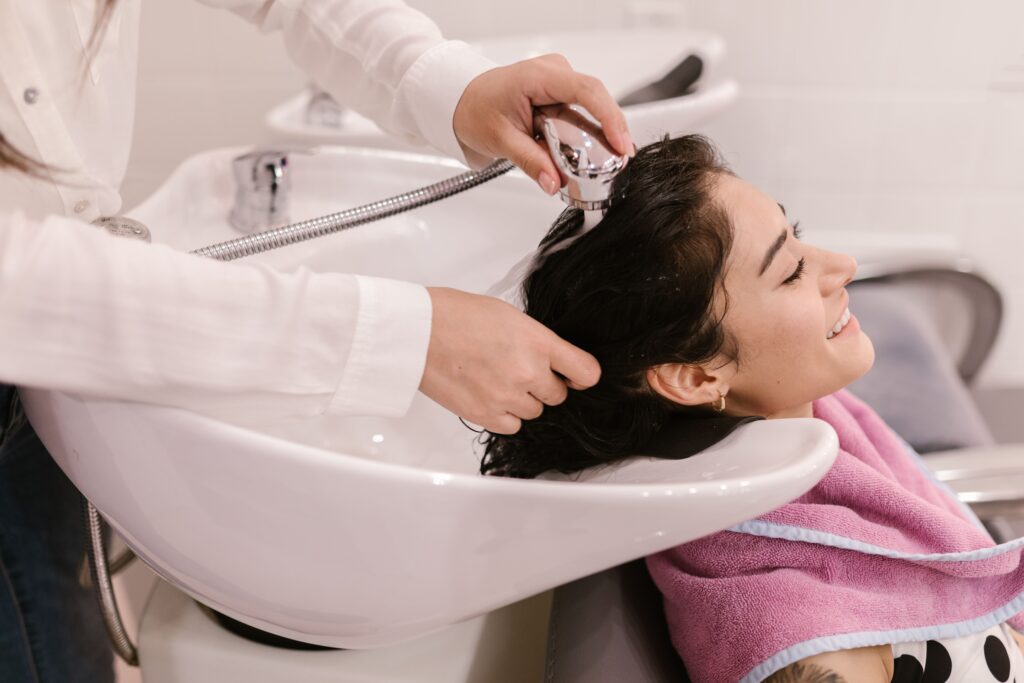
On the other hand, waiting too long between washes can cause oil, sweat, and styling products to build up on your scalp.
Signs Your Hair Needs Washing
- Oily or greasy roots
- Flat, lifeless hair
- Itchy scalp
- Visible product buildup
- Unpleasant odor
- Increased dandruff
If your scalp feels uncomfortable or your hair looks consistently greasy, it’s probably time for a wash.
Common Hair Washing Mistakes to Avoid
Even if you’re washing your hair at the right frequency, certain habits can affect your hair’s health.
1. Using Very Hot Water
Hot water removes your scalp’s natural oils, making your hair dry and frizzy. Wash with lukewarm water instead.
2. Applying Shampoo to the Entire Hair Length
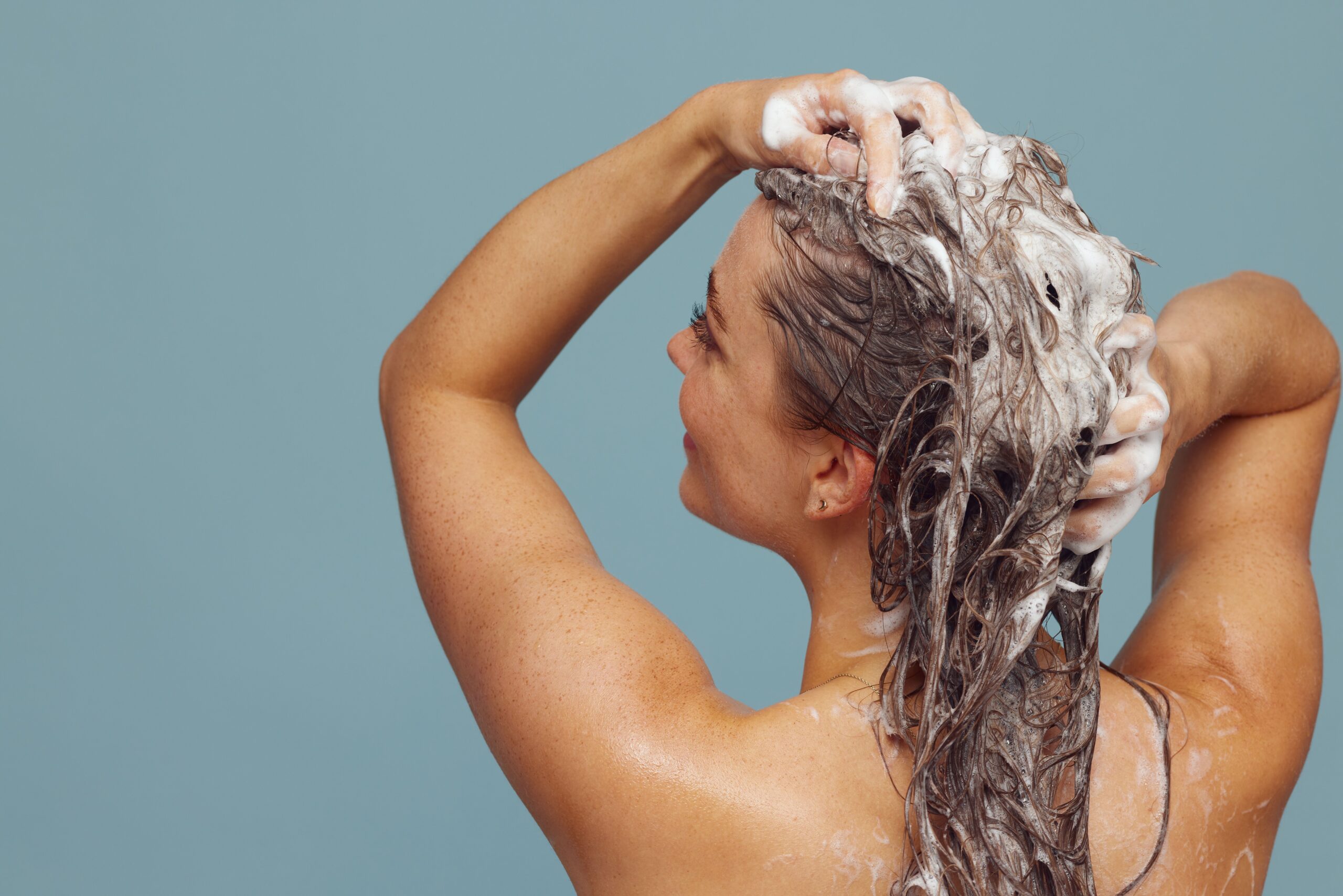
Shampoo is mainly designed to clean your scalp. Focus on your roots and let the lather cleanse the rest of your hair as you rinse.
3. Skipping Conditioner
Conditioner helps replace moisture lost during washing, smooths the hair cuticle, and reduces tangles.
4. Using Too Much Shampoo
A small amount of shampoo is usually enough. Using excessive product doesn’t make your hair cleaner—it only makes rinsing more difficult.
5. Scrubbing Your Scalp Too Hard
Massage your scalp gently with your fingertips instead of using your nails, which can cause irritation.
Tips for a Healthy Hair Washing Routine
A few simple habits can help keep your hair looking its best.
- Choose a shampoo that matches your hair type.
- Always condition the mid-lengths and ends.
- Avoid excessive heat styling.
- Brush your hair gently before washing.
- Rinse thoroughly to remove all product.
- Wash your hair after heavy sweating or swimming.
- Deep condition once a week if your hair feels dry or damaged.
Frequently Asked Questions
No. Washing your hair does not cause hair loss. It’s normal to notice a few strands falling out during washing because they were already in the natural shedding phase. ullamcorper mattis, pulvinar dapibus leo.
Dry shampoo is useful between washes because it absorbs excess oil, but it shouldn’t completely replace regular shampooing. Your scalp still needs proper cleansing.
If your hair contains heavy styling products, oils, or buildup, shampooing twice can help cleanse your scalp more effectively. Otherwise, one wash is usually enough.
Yes, if you have very oily hair or exercise daily. However, use a gentle shampoo to avoid drying out your scalp.
Final Thoughts
If you’re still wondering how often should you wash your hair, the answer depends on your individual hair type and scalp health. Following the right routine can help you maintain healthy, shiny, and manageable hair.
There isn’t a single hair washing schedule that works for everyone. The right routine depends on your hair type, scalp condition, lifestyle, and personal needs. While oily hair may benefit from washing every one to two days, dry or curly hair often stays healthier with fewer washes.
Pay attention to how your hair feels rather than following a strict schedule. If your scalp feels clean, your hair looks healthy, and it’s easy to manage, you’ve probably found the right balance.
Remember, healthy hair starts with understanding what works best for your unique hair type. By choosing the right shampoo, avoiding common washing mistakes, and following a consistent routine, you can keep your hair looking clean, strong, and beautiful every day.