
Understanding Telogen Effluvium: Causes, Symptoms, and Treatments for Hair Loss
What is Telogen Effluvium?
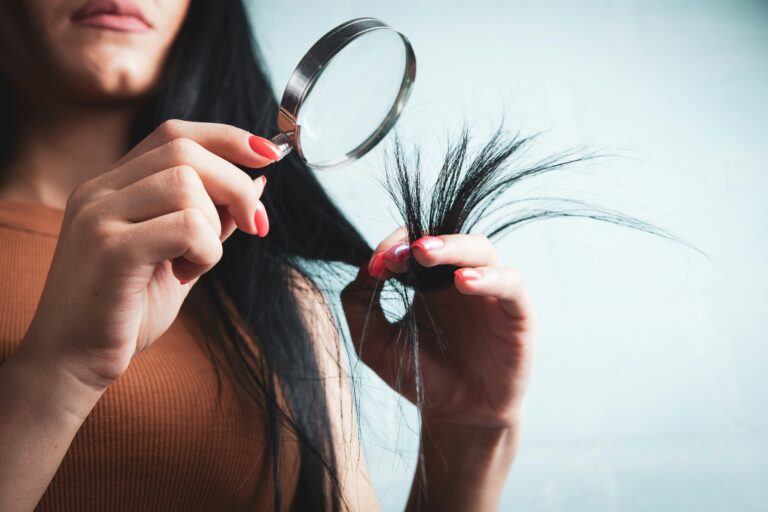
One of the most frequent reasons of transient hair loss is telogen effluvium. After a stressful incident, sickness, or hormonal changes, a significant percentage of hair follicles enter the resting phase (telogen) and fall out, resulting in this disorder. We’ll explore the causes, signs, and prevention of telogen effluvium in this blog.
What Causes Telogen Effluvium?
Several factors can trigger this, including:
1. Stress:
Stress, whether mental or physical, can interfere with the cycle of hair development.
2. Hormonal Imbalances:
Menopause, pregnancy, and childbirth are common causes of this syndrome.
3. Nutritional Deficiencies:
Low levels of vitamins and minerals, especially iron, can cause hair shedding.
4. Medications:
Certain drugs like antidepressants or blood thinners can contribute to hair loss.
5. Illnesses:
Fever, surgery, and significant weight loss are common culprits.
Acute vs Chronic Telogen Effluvium
TE can be classified into:
Acute TE:
lasts less than six months; if the trigger is eliminated and hair grows back, the majority of shear shedding stops.
Chronic TE:
lasts more than six months; it may continue for years and frequently manifests as thinning and shedding that fluctuates. extremely prevalent in women between the ages of 30 and 60.
Signs and Symptoms of Telogen Effluvium
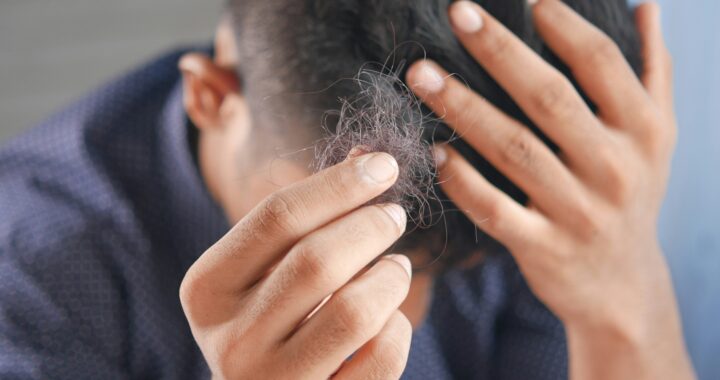
Instead of total baldness, telogen effluvium usually results in significant hair thinning. The following are the primary symptoms to be aware of:
1. Increased hair shedding:
There might be more hair on your hairbrush, pillow, or in the shower.
2. Thinner hair overall:
Hair may look less dense, particularly at the top of the scalp.
3. Sudden onset:
The shedding usually begins 2-3 months after the triggering event.
How to Treat Telogen Effluvium
While this is usually temporary and resolves on its own, these steps can help speed up recovery:
1. Improve Your Diet:
Hair health is supported by eating a well-balanced diet high in vitamins B, D, and E as well as minerals like iron and zinc.
2. Manage Stress:
Your body can heal if you incorporate stress-relieving exercises like yoga or meditation.
3. Use Gentle Hair Care Products:
Avoid harsh chemicals and heat styling tools that can further damage your hair.
4. Topical Treatments:
During the healing process, a topical medication called minoxidil can promote hair growth.
5. Consult a Doctor:
In extreme situations, your physician may suggest drugs or therapies like platelet-rich plasma (PRP) therapy.
Can You Prevent Telogen Effluvium?
Although this cannot be totally avoided, you can reduce your risk by:
- Using mindfulness practices to manage stress.
- keeping up a nutritious diet full of vital elements.
- Avoid quick weight loss and crash diets.
- Speak with your physician prior to beginning a new pharmaceutical regimen.
When should you seek professional help?
A dermatologist or hair specialist should be consulted if:
- Hair loss can occur suddenly or in large quantities (hundreds of hairs each day).
- Patchy thinning or the presence of bald patches could indicate another type of alopecia.
- You notice extra symptoms like burning, itching, irritation, or pain on your scalp.
- If the shedding continues beyond six months, it may be a sign of chronic TE or another underlying condition.
- You think there may be underlying medical reasons (autoimmune disease, thyroid, iron deficiencies).
Recovery Timeline
Fortunately, telogen effluvium is nearly always transient. Your hair will naturally start to heal after the underlying cause—such as stress, disease, or a hormonal shift—is addressed. Although it often takes up to a year for full thickness to return, most patients see improvement in three to six months.
The earliest indications of regrowth are frequently new baby hairs or tiny, short strands at the hairline. Throughout this stage, treat your hair with kindness and patience. Remember that your follicles are still active and able to produce new hair, even if the shedding phase might be emotionally taxing.
Home Remedies and Care Tips
Consistent hair care and lifestyle choices can hasten healing and fortify new growth, even though medical intervention is rarely required:
Nourish from within:
Consume foods high in iron, zinc, protein, and vitamins, such as lentils, spinach, eggs, salmon, and almonds.
Scalp massage:
Using light oils like coconut, argan, or jojoba oil, gently massage your scalp with your fingertips. This promotes hair follicle stimulation and enhances blood flow.
Gentle hair products:
Steer clear of heat styling, harsh shampoos, and chemical treatments. Select gentle, sulfate-free cleansers to preserve the health of your scalp.
Avoid tight hairstyles:
Persistent stress might exacerbate shedding. Instead, go for braids or loose buns.
Stay hydrated and reduce stress:
In addition to practicing relaxation techniques like yoga or deep breathing, make sure you drink enough water each day. The secret to preventing further shedding is stress management.
The key is consistency; taking tiny everyday actions will hasten the healing process of your scalp and restore the volume of your natural hair.
Conclusion:
Although telogen effluvium is one of the most curable forms of hair loss, it can still be concerning. Your hair often grows back spontaneously once the body heals from the underlying stress, which could be an illness, hormonal change, or nutritional imbalance. Instead of worrying about transient shedding, the secret is to address the underlying problem with careful care and patience. Over time, you can regain your confidence and the strength of your hair by leading a healthy lifestyle, controlling your stress, and providing your scalp with the right nutrients.
FAQs:
Instead of bald patches, which are more typical in disorders like alopecia areata or male/female pattern baldness, telogen effluvium causes generalized hair thinning. The diagnosis can be confirmed by speaking with a trichologist or dermatologist.
Yes, significant physical or emotional stress is one of the leading causes of telogen effluvium. Stress can disrupt the hair growth cycle, causing more hair to enter the resting phase and eventually fall out.
Yes, the hormonal changes that take place after giving birth cause telogen effluvium in many women. Usually, this condition is transient, and within a few months, hair growth returns to normal.